
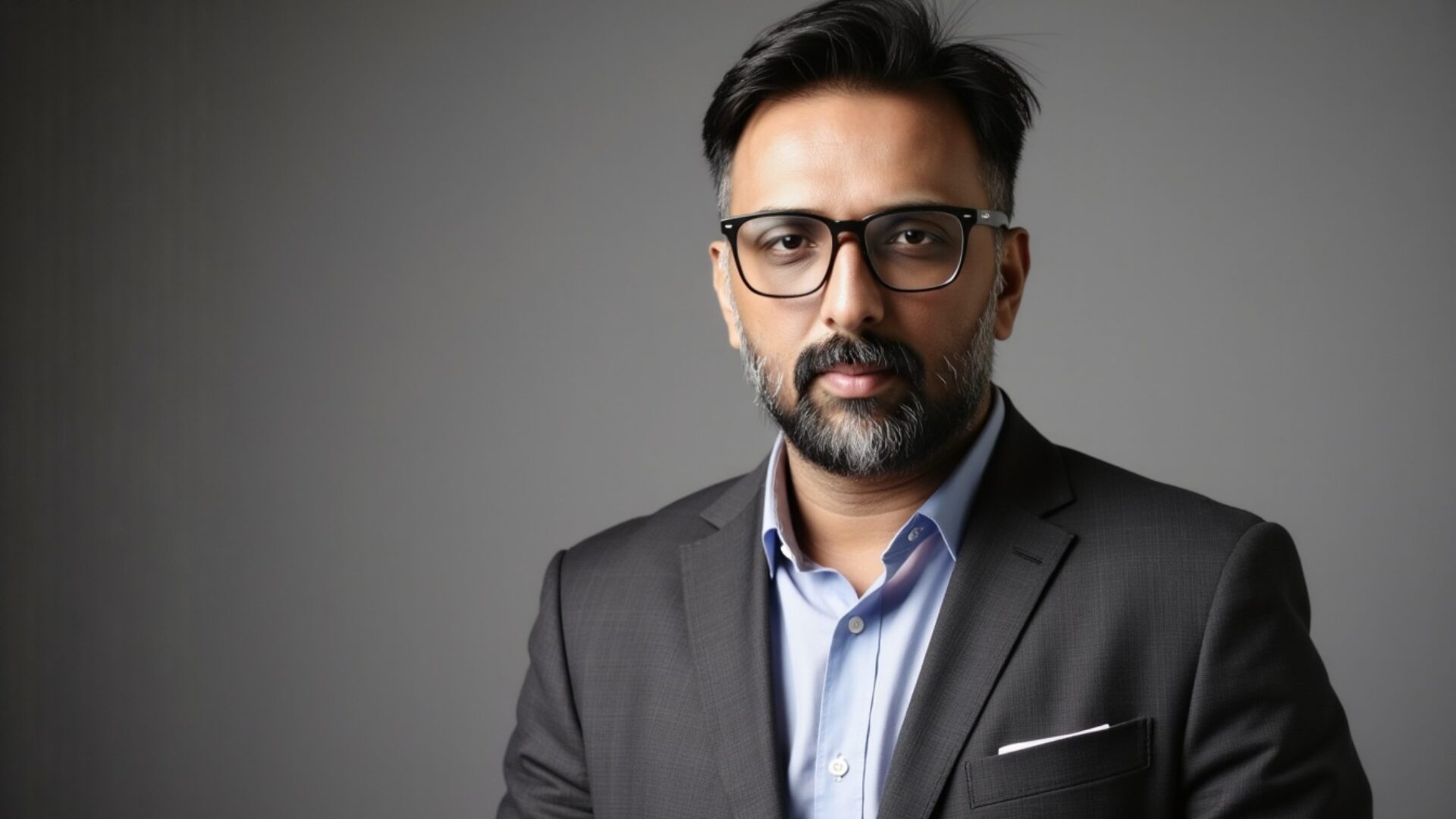
Developing the essential interpersonal and professional competencies that critically complement technical expertise. As “The Skills Architect” and a dedicated researcher of human behavior, Khan Mohammad Mahmud Hasan designs curricula focused on building advanced communication, complex problem-solving, adaptability, and teamwork capabilities. This expertise ensures that TVET graduates are not only technically proficient but are also resilient, well-rounded professionals prepared to thrive in modern, collaborative workplaces.
Core Focus Areas & Competencies
Technical mastery gets a candidate through the door, but behavioral competencies determine their long-term career trajectory. The focus is on embedding these crucial interpersonal skills directly into vocational training:
-
Advanced Communication & Interpersonal Dynamics: Training individuals to articulate ideas clearly, practice active listening, and navigate workplace hierarchies with professional diplomacy.
-
Complex Problem-Solving & Critical Thinking: Equipping learners with cognitive frameworks to analyze unexpected challenges, evaluate variables, and execute logical solutions autonomously.
-
Adaptability & Resilience Training: Preparing graduates to thrive in fast-paced, evolving industrial environments by fostering a growth mindset and emotional regulation under pressure.
-
Teamwork & Collaborative Synergy: Building the capacity to function effectively within diverse teams, manage workplace conflicts constructively, and contribute to a unified organizational goal.
Methodologies & Psychological Integration
Drawing heavily from cognitive psychology and behavioral science, the approach to teaching soft skills moves beyond theoretical lectures into practical, behavioral conditioning:
-
Behavioral Psychology Integration: Utilizing human behavior research to understand and modify the underlying drivers of workplace habits, shifting instruction from simple advice to profound behavioral change.
-
Applied NLP Techniques: Incorporating Neuro-Linguistic Programming (NLP) principles to help learners master their internal states, build deep rapport with colleagues, and overcome communication barriers.
-
Cognitive Empathy Development: Leveraging insights from his psychological research—such as the dual-perspective narratives explored in his literary work—to teach perspective-shifting. This builds profound empathy, a critical component for effective leadership and teamwork.
-
Simulated Workplace Scenarios: Designing Competency-Based Learning Materials (CBLMs) that immerse students in realistic, high-pressure professional environments to test and reinforce their soft skills in real-time.
The Value of Soft Skills Integration in TVET
-
For the Graduate: Drastically accelerates career advancement, transforming entry-level technicians into future supervisors and collaborative leaders.
-
For the Employer: Closes the most frequently reported skills gap in the modern labor market, reducing workplace friction and increasing overall organizational productivity.
-
For TVET Institutions: Elevates the reputation of the training center from a simple technical school to a comprehensive professional academy that produces fully realized, highly employable talent.